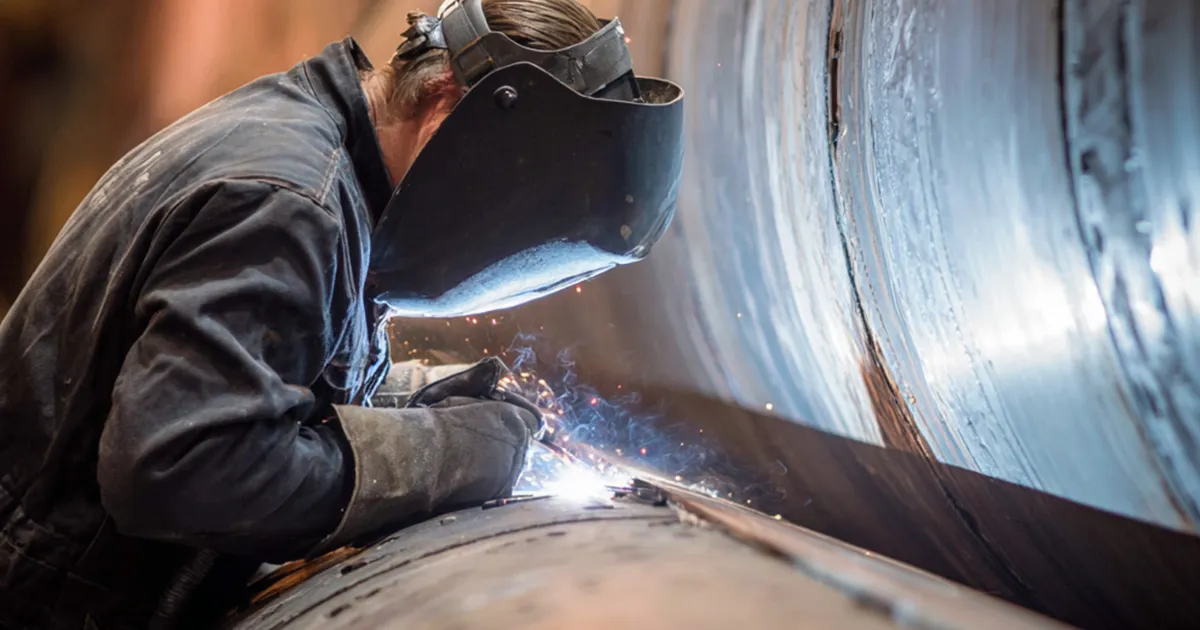
Pipefitting is tough work, and your truck setup either helps you or slows you down. When you are threading, cutting, welding, and troubleshooting under time pressure, the last thing you need is a tool pile you have to dig through. This post breaks down three reasons a dedicated truck toolbox matters for pipefitters, and how a roll-out truck toolbox organization system supports faster access, safer storage, and a repeatable layout you can rely on.
- Who this helps: pipefitters, welders, industrial maintenance techs, field crews
- What you will know: 3 reasons a truck toolbox improves speed, security, and uptime
- What to do next: request a quote for a setup built around your daily tools
Why does mobility matter for pipefitters on the job?
Mobility matters because your tools need to travel with you without wasting time loading, unloading, or hunting for what you need.
If your tools live in a portable box, a bucket, or a loose pile in the bed, you spend part of every day moving tools instead of using them. Pipefitting work is already physical - you should not have to wrestle your storage system too.
A dedicated truck toolbox setup helps you stay ready. Your core tools stay with you, your layout stays consistent, and your truck stays usable instead of turning into a rolling storage heap.
If you want a system built around access, start with how the patented roller system works and then request a quote.
Why is security and protection a big deal for pipefitter tools?
Security matters because unprotected tools get damaged, lost, and replaced, and that cost always comes out of your time and money.
Pipefitter tools are not cheap. Beyond the cost, the bigger hit is downtime when the right tool is missing, rusted, or buried under everything else. A toolbox protects your tools from weather and jobsite abuse, but it should also protect your workflow.
The goal is not just "locked up." The goal is organized:
- Tools have a home, so you can spot missing items fast
- Categories stay separated, so you are not digging through a mixed pile
- You cut time wasted on every job because access is predictable
If you are working plants, refineries, or gas facilities, that predictability matters even more. You can also check the oilfield page for rough-road and uptime priorities that overlap with industrial field work.
Why do pipefitters need organization that is built around their tools?
Pipefitters need tool storage that matches their workflow, because general-purpose boxes are not designed for the way pipefitters work under pressure.
Pipefitting is not "one wrench and done." You are moving between measurement, prep, fit-up, welding, grinding, and final checks. When storage is random, your day turns into a loop of walking back to the truck, digging, and re-staging tools.
A better approach is a toolbox system built around:
- Full access to tools without unloading other gear first
- Vertical drawer organization so tools are visible and easy to grab
- Modular inserts that can be removed and swapped as your loadout changes
- A repeatable layout so every day starts the same
Shop-N-Box systems use a patented roller system built for repeated daily use, with roll-out access that brings tools to you.
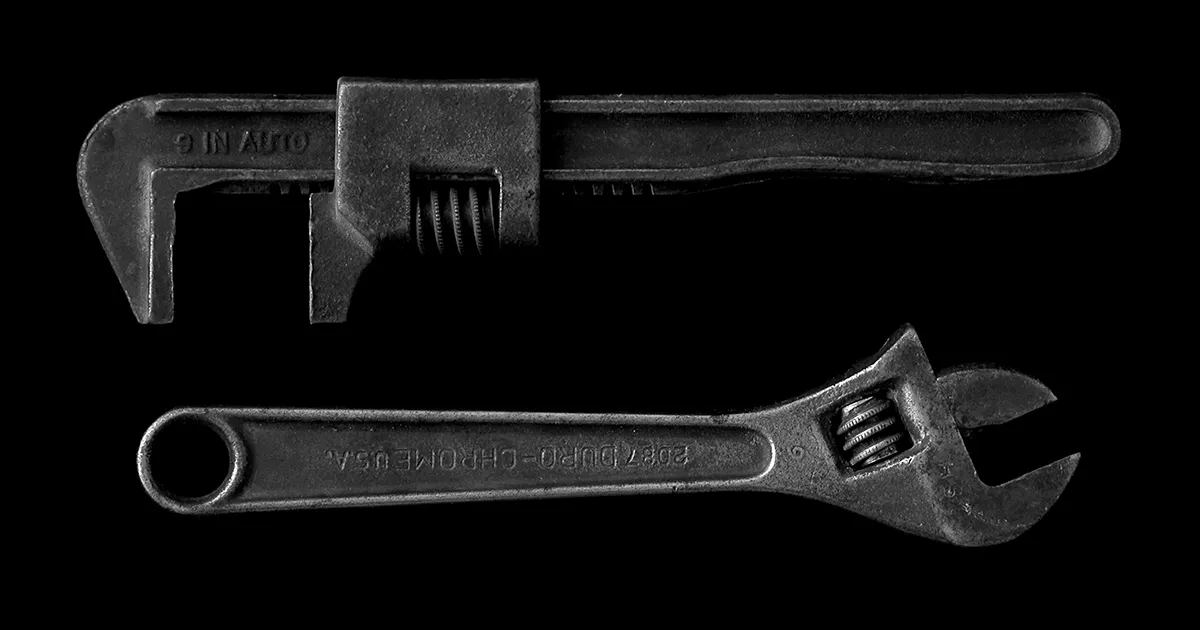
What Shop-N-Box toolbox options work well for pipefitter setups?
The best option depends on your mounting space and how you work, but the right box is the one that keeps your daily tools accessible and repeatable.
Most pipefitters want fast access to core hand tools and room for the rest of the kit that supports the job. A quote-based approach lets the configuration match your workflow instead of forcing you into a generic layout.
Good starting points:
- 2-80 toolbox if you want an 80-inch class setup with two roll-out compartments
- 1-80 series toolbox if you want an 80-inch class setup with one roll-out compartment
- JP Elite Super 40 toolbox if visibility and a workstation-style approach matter
If you are standardizing multiple trucks, the biggest win is consistency across crews - see the fleet page.
What is the fastest way to improve a pipefitter truck setup?
The fastest improvement is building a repeatable tool list and getting a quote for a layout that matches your daily work.
If you want to stop digging through the bed and start moving faster, do this:
- List your daily tools (the ones you grab constantly)
- List your weekly tools (the ones you need for specific jobs)
- Note what keeps getting buried, lost, or duplicated
- Request a quote with your truck details and tool priorities
When your toolbox becomes a system, not a container, you gain speed, reduce downtime, and keep your tools in better shape.
For additional safety guidance tied to tools and field work:
- OSHA resources on hand and power tools apply to daily tool handling and safe practices. (https://www.osha.gov/hand-and-power-tools)
- OSHA welding, cutting, and brazing standards are relevant for many pipefitting environments. (https://www.osha.gov/welding-cutting-brazing)
Related resources
On Shop-N-Box
- Request a quote for a roll-out truck toolbox setup
- How the patented roller system works
- 2-80 toolbox
- 1-80 series toolbox
- JP Elite Super 40 toolbox
- Oilfield jobsite tool storage built for rough roads
External